
How Automated Trading is Transforming Financial Markets
Crypto Market Security and Ethics
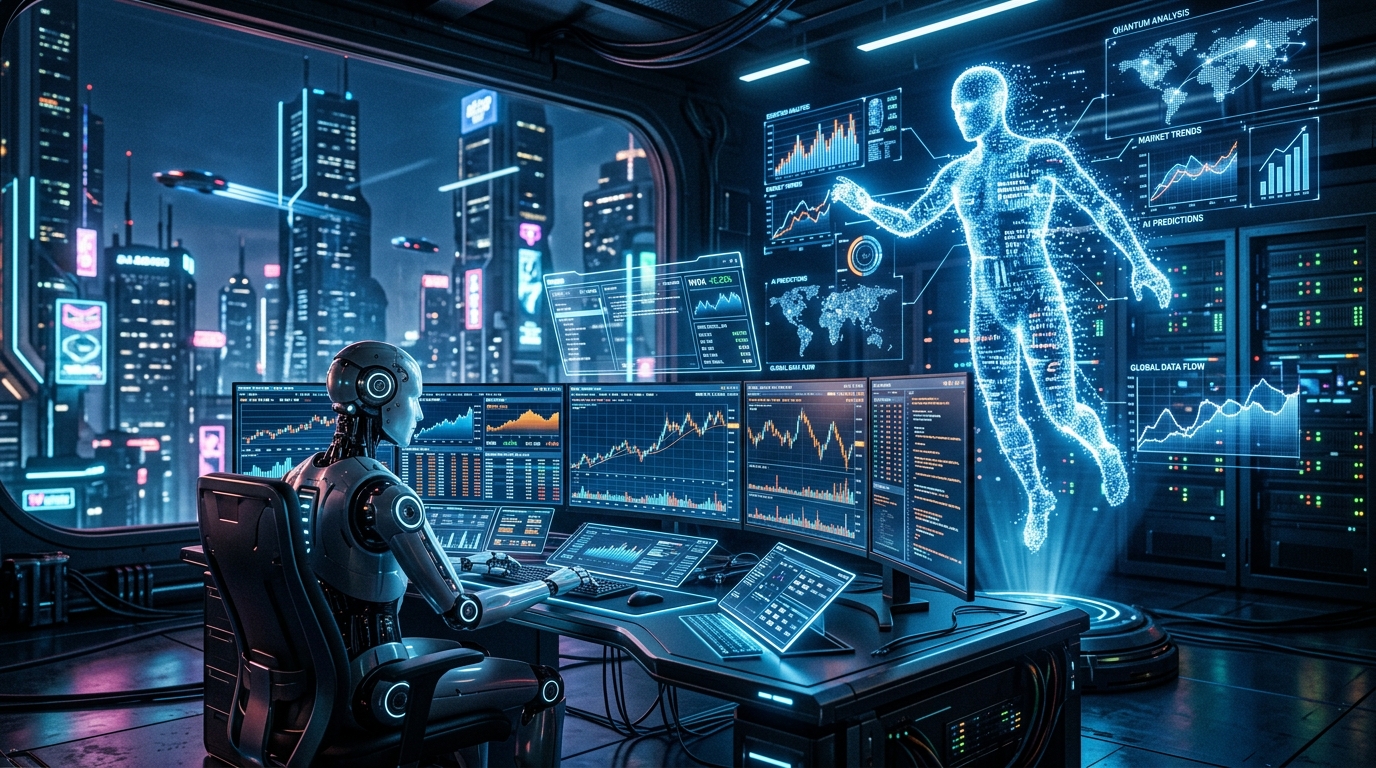
वित्तीय बाजारों में स्वचालन व्यापार करने के तरीके को नाटकीय रूप से बदल रहा है। एल्गोरिदमिक ट्रेडिंग की नींव से लेकर जटिल मशीन-लर्निंग मॉडलों के विकास तक, स्वचालित व्यापार प्रणाली संस्थागत और खुदरा व्यापारियों दोनों के लिए आवश्यक हो गई हैं। इस लेख में, हम देखेंगे कि कैसे स्वचालित व्यापार वित्तीय बाजारों को बदल रहा है, इसकी प्रमुख तकनीकें, रणनीतियाँ, लाभ, चुनौतियाँ और इस क्रांति के चारों ओर नैतिक विचार।
स्वचालित व्यापार का परिचय
स्वचालित व्यापार का तात्पर्य कंप्यूटर प्रणालियों के उपयोग से है जो पूर्व-प्रोग्राम किए गए एल्गोरिदम के आधार पर मानव हस्तक्षेप के बिना व्यापार निष्पादित करते हैं। ये प्रणालियाँ वास्तविक समय में बाजार डेटा का विश्लेषण करती हैं और ऐसी गति और सटीकता से निर्णय लेती हैं जिसे मानव व्यापारी नहीं कर सकते। स्वचालित व्यापार का इतिहास 1970 के दशक के अंत से शुरू होता है, जब सरल नियम-आधारित प्रणालियाँ विकसित की गई थीं, जो अब कृत्रिम बुद्धिमत्ता (AI) और मशीन लर्निंग को शामिल करने वाले जटिल प्लेटफार्मों में विकसित हो चुकी हैं।
स्वचालित व्यापार में तकनीक की भूमिका
The evolution of automated trading has been significantly influenced by advancements in technology. Artificial intelligence and machine learning empower trading platforms to continuously learn from market behavior, enhancing their predictive capabilities. High-frequency trading systems, which can perform numerous trades within fractions of a second, have transformed the trading landscape by capitalizing on tiny price variations. The advent of cloud technology, extensive data analysis, and superior connectivity has allowed traders to implement these sophisticated algorithms worldwide, ensuring around-the-clock access to financial markets with negligible delays.
Understanding the Mechanics of Automated Trading Systems
Automated trading systems operate through algorithms, which are comprehensive sets of rules and guidelines created using various programming languages. These systems can vary widely, from basic strategies that trigger trades when specific price thresholds are met, to intricate AI-enhanced models that draw insights from past performance to forecast future price trends.
Categories of Automated Trading Systems Include:
- Rule-Based Trading Systems: Facilitate trade execution based on established, specific criteria.
- AI-आधारित प्रणालियाँ: निरंतर सीखना और अनुकूलित करना, विशाल डेटा सेट का विश्लेषण करके समय के साथ सुधार करना।
- संयुक्त प्रणालियाँ: नियम-आधारित रणनीतियों को मशीन लर्निंग के साथ मिलाकर प्रदर्शन को बढ़ाना।
- blog_three_question_4.subtitle_4: blog_three_question_4.desc_4
स्वचालित व्यापार रणनीतियों के प्रकार
प्रत्येक रणनीति जटिल एल्गोरिदम पर निर्भर करती है और सावधानीपूर्वक कैलिब्रेशन और जोखिम प्रबंधन की आवश्यकता होती है।
Automated trading employs various strategies tailored to market dynamics and investor objectives. The key strategies include:
- Arbitrage Techniques: These techniques capitalize on price discrepancies across different platforms or exchanges.
- Momentum Trading Strategies: These strategies aim to ride the wave of market trends, purchasing assets as prices climb and liquidating them when they decline.
- Mean Reversion Techniques: Leverage the expectation that asset prices will realign with their historical averages following notable fluctuations.
- Liquidity Provision Techniques: Earn from the difference between buying and selling prices by executing simultaneous orders in the market.
Advantages of Automated Trading Systems
Automated trading systems streamline the trading process, providing numerous benefits over traditional methods.
The automation of trading brings forth a myriad of advantages, such as:
- गति और दक्षता: कंप्यूटर व्यापारों को मनुष्यों की तुलना में कहीं अधिक तेजी से निष्पादित कर सकते हैं, अवसरों का लाभ उठाते हुए जो जल्दी गायब हो सकते हैं।
- मानव त्रुटियों में कमी: स्वचालित प्रणाली भावनात्मक निर्णय लेने और संज्ञानात्मक पूर्वाग्रहों को समाप्त करती है, जिससे परिणाम अधिक स्थिर होते हैं।
- 24/7 बाजार पहुंच: ये प्रणाली निरंतर कार्य कर सकती हैं, यह सुनिश्चित करते हुए कि व्यापारी कभी भी बाजार के अवसर को न चूकें।
- पुनः परीक्षण और अनुकूलन: व्यापारी रणनीतियों को लागू करने से पहले ऐतिहासिक डेटा का उपयोग करके उनका परीक्षण कर सकते हैं, प्रदर्शन को अनुकूलित करते हुए जोखिम को कम करते हैं।
स्वचालित व्यापार के जोखिम और चुनौतियाँ
In the bustling heart of India, where dreams are woven into the fabric of everyday life, a new era of trading has dawned with Vale Vaultshire. Imagine stepping into a world where the potential for wealth lies at your fingertips, and every transaction is a step towards financial freedom. With the rise of cryptocurrency, the traditional barriers to investing have crumbled, opening doors for individuals from all walks of life. Picture Ravi, a small-town entrepreneur, who once thought the world of trading was reserved for the elite. Today, he navigates the crypto landscape with ease, thanks to the user-friendly platform of Vale Vaultshire. Each trade he makes is not just a transaction; it's a leap towards securing his family's future. The thrill of watching his investments grow in real-time fuels his ambition, turning dreams into tangible success. Join a vibrant community of like-minded individuals who share insights, strategies, and celebrate each other's victories. With Vale Vaultshire, you're not just trading; you’re part of a larger narrative that celebrates innovation and resilience. Embrace the power of crypto trading and let your story unfold, one trade at a time.
हालांकि स्वचालित व्यापार कई लाभ प्रदान करता है, यह जोखिमों से मुक्त नहीं है। प्रमुख चुनौतियों में शामिल हैं:
- बाजार की अस्थिरता के जोखिम: Automated trading systems can intensify market fluctuations, particularly during unexpected downturns or sudden sell-offs, where swift and extensive liquidations may spiral uncontrollably.
- Sudden Market Drops: In a notable incident in 2010, a trading algorithm triggered a swift market plunge, erasing billions of rupees in mere moments.
- System Malfunctions: Technical glitches, service interruptions, or programming errors can lead to considerable monetary setbacks.
- blog_three_question_7.subtitle_4: blog_three_question_7.desc_4
The Influence of Automated Trading on India's Financial Landscape
स्वचालित व्यापार ने बाजार की तरलता और दक्षता को महत्वपूर्ण रूप से बढ़ाया है। यह तेज़ और अधिक बार व्यापार करने की अनुमति देकर, विभिन्न परिसंपत्ति वर्गों में तरलता में सुधार करता है। हालांकि, मानव व्यापारियों की भूमिका घटती जा रही है, क्योंकि मशीनें उन कार्यों को संभाल रही हैं जो पहले मैन्युअल रूप से किए जाते थे, जिससे वित्तीय क्षेत्र में रोजगार का स्वरूप बदल रहा है।
विभिन्न परिसंपत्ति वर्गों में स्वचालित व्यापार
स्वचालित व्यापार प्रणाली बहुपरकारी हैं और विभिन्न बाजारों में कार्य करती हैं, जिनमें शामिल हैं:
- शेयर: शेयर व्यापार एल्गोरिदम सबसे विकसित हैं, जिन्हें हेज फंड और व्यक्तिगत व्यापारी दोनों द्वारा उपयोग किया जाता है।
- विदेशी मुद्रा: Automated systems have revolutionized the cryptocurrency landscape, allowing traders to swiftly adapt to market shifts and news developments.
- Raw Materials: From precious metals to energy resources, raw material markets leverage algorithmic trading for enhanced profitability through strategic insights.
- Digital Currencies: The dynamic nature of digital currencies, operating round-the-clock, makes them ideal for automated trading tools that can capitalize on rapid fluctuations.
Regulatory Hurdles and Insights
The governance of automated trading is vital for maintaining market equilibrium. Regulatory authorities such as SEBI and RBI have established guidelines to mitigate risks and promote clarity. However, as AI technologies evolve, these regulators encounter the challenge of adapting to rapid advancements. Additionally, ethical dilemmas emerge, particularly concerning the prevention of algorithm-driven market manipulation.
Institutional Investors Embracing Automated Trading Solutions
Institutional investors, especially hedge funds and proprietary trading companies, significantly depend on automated trading solutions for competitive advantage. Quantitative analysts, often referred to as 'quants,' create intricate models that leverage big data, AI, and machine learning to surpass conventional trading strategies. A notable example is how some hedge funds attribute their achievements to automated systems, akin to the success seen with the Medallion Fund by Renaissance Technologies.
Automated Trading Solutions for Individual Traders
Recent innovations have made automated trading accessible to individual traders. Platforms like Zerodha and Upstox provide seamless access to trading bots, while social trading networks enable users to replicate the strategies of successful traders. Individual traders can also opt to buy or design personalized trading bots to streamline their trading approaches.
Envisioning the Future of Automated Trading
With the rapid advancement of AI and machine learning, automated trading systems are becoming increasingly sophisticated. The advent of quantum computing, though still emerging, promises to transform trading by enabling the analysis of vast datasets at unprecedented speeds. In the coming decade, we can anticipate that automation will further permeate various facets of financial markets, significantly decreasing the reliance on human traders.
Ethical Concerns in Automated Trading Practices
Maintaining transparency is essential for ensuring that automated trading remains just and inclusive. It is vital that algorithms are crafted to avert market manipulation while guaranteeing fair access to trading opportunities. Striking a balance between the advantages of automation and the necessity for ethical practices in the marketplace poses a continuous challenge for both regulators and participants.
Insights from Automated Trading Case Studies
- The 2010 Flash Crash: This incident underscored the inherent risks associated with automated trading systems, as algorithms instigated widespread sell-offs, leading to a dramatic market decline within mere minutes.
- Success Narratives: Prominent investment firms like QuantInsti and Alpha Alternatives have harnessed the power of AI-driven trading strategies to consistently achieve superior returns, setting a new standard in the financial landscape.
Common Inquiries (FAQs)
- 1. What is algorithmic trading? Algorithmic trading involves employing computer algorithms to carry out trades automatically without the need for human oversight.
- 2. What distinguishes high-frequency trading from traditional trading? High-frequency trading utilizes advanced algorithms to execute a multitude of trades in mere seconds, taking advantage of minute fluctuations in prices.
- 3. Is automated trading devoid of risks? Certainly not; although automated trading minimizes human mistakes, it remains susceptible to risks like technical glitches and unpredictable market shifts.
- 4. Are retail investors permitted to engage in automated trading? Absolutely, various platforms enable retail investors to develop or employ automated trading techniques tailored to their needs.
- 5. How do authorities oversee automated trading practices? Regulators employ a variety of oversight mechanisms, such as instant monitoring systems and established regulatory frameworks to ensure compliance.
- 6. Which technologies play a vital role in automated trading systems? Essential technologies encompass artificial intelligence, machine learning algorithms, cloud infrastructure, and ultra-fast internet connectivity.
Conclusion: The Transforming Financial Landscape with Automation
Automated trading is revolutionizing financial markets, enhancing efficiency, expediting trade execution, and enabling advanced strategies. As artificial intelligence, machine learning, and quantum computing progress, the future of automated trading will hinge on its capacity for innovation while ensuring equitable market practices.